Falach
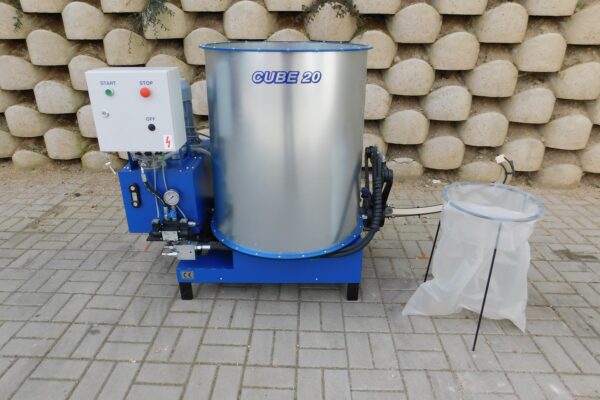
Falach 20 Briquette Machine
- Output 10–25 kg/hr
- Briquette 30 × 30 × 30 mm cube
- Power use 1.1 kW
From £8,480 + VAT
A business making sawdust has five main options: pay for skips or collections, give it away for animal bedding, burn it loose, press it into briquettes, or sell it. Skips are simplest but cost money every month. Briquetting suits workshops with a steady flow of dry waste, because it cuts the volume and turns the waste into fuel you can use or give away.
| Option | Upfront cost | Ongoing cost | Effort | Best for |
|---|---|---|---|---|
| Skip or waste collection | None | Every collection | Low | Small or occasional volumes |
| Give away for animal bedding | None | Little or none | Depends on the taker | Clean softwood shavings, with a reliable local taker |
| Burn it loose | An appliance that can take it | Low | Medium | Sites with a suitable burner and clean waste |
| Briquette it | A press, from £8,480 + VAT new | Electricity, bags, servicing | Low to medium | Steady, dry waste streams |
| Sell it | Bagging or storage | Handling time | Medium to high | Clean waste in volume, with buyers nearby |
The default for most workshops. Fill a skip or bags, and someone takes them away.
Read our side-by-side: skip hire vs briquetting.
Horse owners, farms, smallholders and pet owners often take clean shavings.
Some wood waste heaters and boilers can burn shavings or sawdust.
A briquette machine compresses dry sawdust and shavings into dense briquettes, with no glue. Lignin, the natural binder in wood, holds them together.
| Model | Output | Power use | Supply | Price |
|---|---|---|---|---|
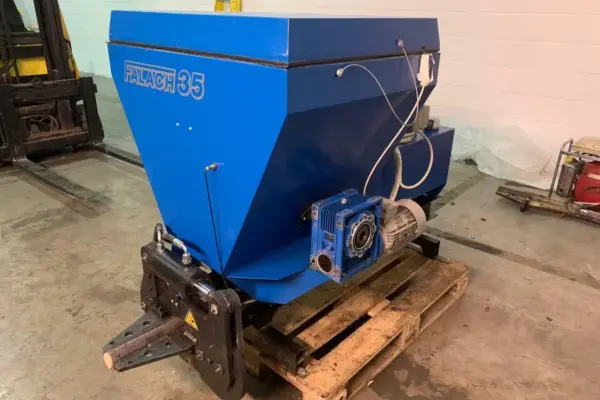
| Falach 20 | 10–25 kg/hr | 1.1 kW | 3-phase, 16A (single-phase version available) | From £8,480 + VAT |
| Falach 30 | 25–35 kg/hour | 2.2 kW | 3-phase, 16 amp | From £9,980 + VAT |
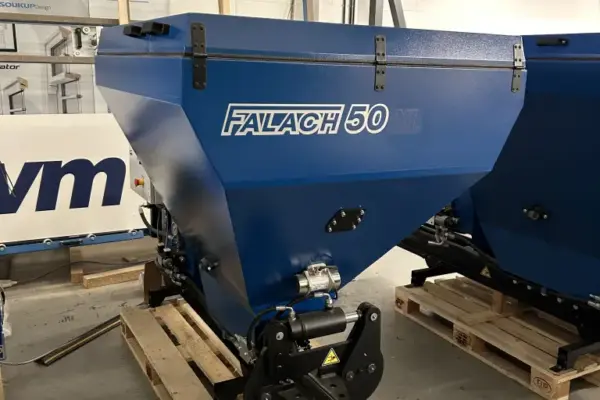
| Falach 50XL | 40–60 kg/hour | 3.8 kW | 3-phase, 16A | From £13,980 + VAT |
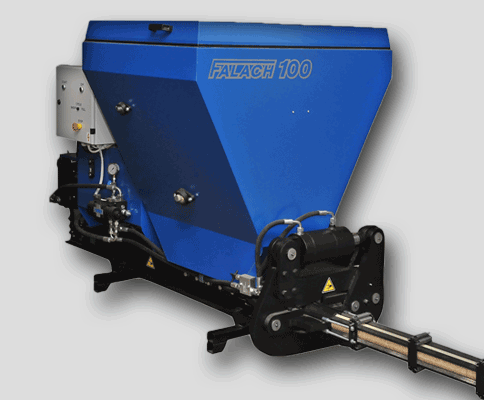
| Falach 100 | 90–120 kg/hour | 8.2 kW | 3-phase, 32 amp | From £24,980 + VAT |
The electricity is a small part of the cost. Our arithmetic from the published figures puts it at around 63–78 kWh per tonne across the Falach range. See running costs for the worked examples.
You can sell sawdust and shavings loose or in bags. Briquettes are fuel, which brings extra rules.
Quality Pods Wales, which makes bespoke glamping pods, turns its wood waste into briquettes in one of our machines and uses them to heat its facilities with wood waste heaters. First Grade Projects, a maker of bespoke furniture and cubicle systems, shreds its waste and presses it into briquettes for heating, and reports recycling over 90% of raw material waste that used to go to skips. See more case studies.
Check the rules before you burn them. Briquettes made from treated, painted or board materials (MDF, chipboard, laminate) are still waste wood, and burning them may need an environmental permit or a registered exemption. Check with the Environment Agency (or SEPA in Scotland, Natural Resources Wales or NIEA in Northern Ireland) and your local authority. Selling wood fuel to households has its own certification rules (Ready to Burn or Woodsure), so check before offering any. We are happy to talk it through with you, but we can’t give you a ruling for your site.
Not sure which machine fits? Send us a sample of your waste or come and see a machine running, or ask IWM on 01636 918280.
Picked by rated output and briquette size. Tick Compare to see them side by side.
Giving it away costs nothing if you have a reliable taker. For steady volumes, briquetting can cost less over time than paying for skips, but it needs a machine up front. Run your own numbers.
Usually, but check with your skip firm. Some want wood waste kept separate, and loose sawdust is bulky, so you pay to move a lot of volume.
Loose sawdust is hard to burn well and needs a suitable appliance. Burning waste wood is regulated, especially board and treated timber. Pressing it into briquettes makes it easier to burn.
Sometimes, as bedding. As briquettes, its main value is the heat you get and the skip costs you save. Selling wood fuel to households has its own certification rules (Ready to Burn or Woodsure), so check before offering any.
Press it into briquettes with a briquette machine. It needs to be dry, below about 15% moisture. No glue is needed.
It can be briquetted on several Falach models, which cuts its volume. Burning MDF briquettes may need a permit or exemption, so check with your regulator.
See what your own waste makes. Send a sample or watch a machine run in Newark.
No hard sell. A straight conversation about the right size of machine for your waste, or whether you need one at all.
We'll ring you back during working hours. Can't wait? Call 01636 918280.