Falach
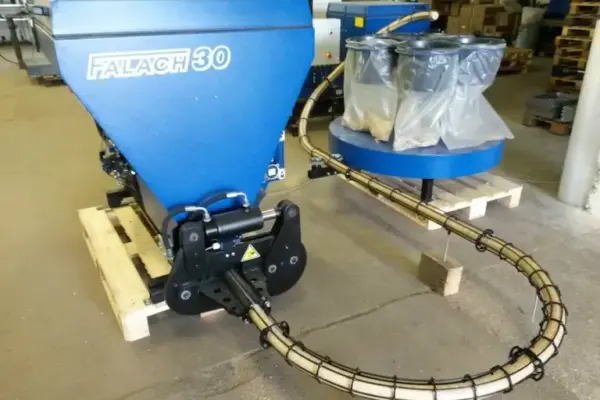
Falach 30 Briquette Machine
- Output 25–35 kg/hour
- Briquette 50 mm
- Power use 2.2 kW
From £9,980 + VAT
Yes, MDF and board dust can be briquetted, and several Falach presses list MDF among their accepted materials. The harder question is what you do with the briquettes. Burning briquettes made from MDF, chipboard or laminate may need an environmental permit or exemption, so check with your regulator first.
Yes. MDF dust is very fine and dry, so it packs tightly. These Falach models list MDF in their accepted materials:
| Model | Output | Power use | Supply | Price |
|---|---|---|---|---|
| Falach 30 | 25–35 kg/hour | 2.2 kW | 3-phase, 16 amp | From £9,980 + VAT |
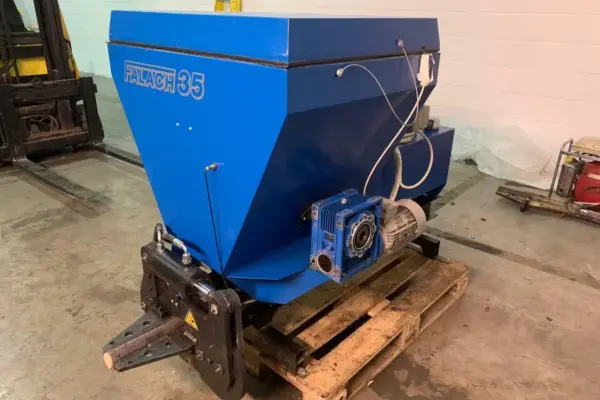
| Falach 35 | 30–40 kg/hour | 2.2 kW | 3-phase, 16A | From £10,980 + VAT |
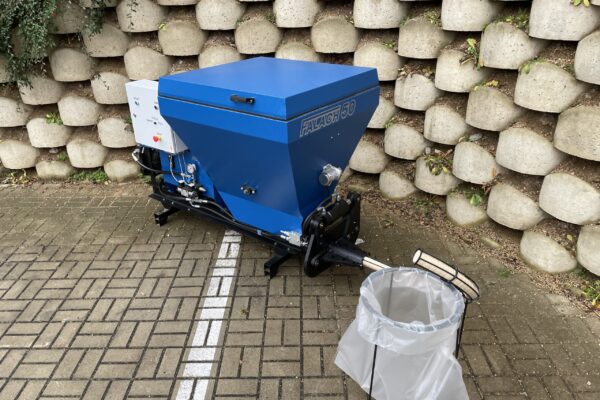
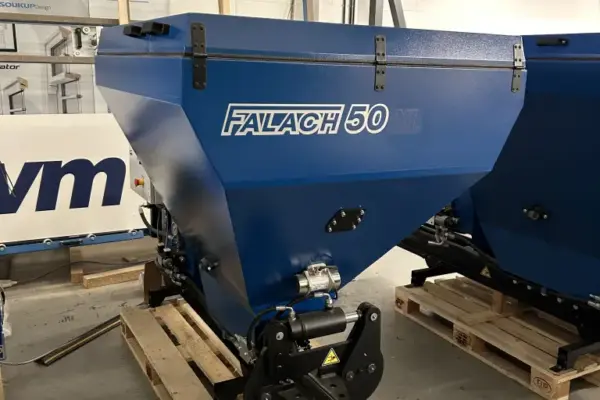
| Falach 50 | 40–60 kg/hour | 3.8 kW | 3-phase, 16A | From £12,480 + VAT |
| Falach 50XL | 40–60 kg/hour | 3.8 kW | 3-phase, 16A | From £13,980 + VAT |
| Falach 100 | 90–120 kg/hour | 8.2 kW | 3-phase, 32 amp | From £24,980 + VAT |
The Falach 70 is a different case. It is described for virgin wood, and its briquette listing reads “UK Clean Air Strategy compliant (virgin wood only)”. If your waste includes board, talk to us before choosing the Falach 70.
MDF, chipboard and other boards are made from wood fibres or particles bonded with resin. Laminates and melamine-faced boards add a plastic or paper surface. Painted, varnished and preservative-treated timber has coatings or chemicals in it. All of these are still classed as waste wood, but not as clean, virgin wood. That changes what you can do with them once they are briquetted.
Possibly, but it depends on the rules for your site, the appliance and the material. In general:
We can’t tell you what applies to your site. Check with the Environment Agency in England, SEPA in Scotland, Natural Resources Wales or NIEA in Northern Ireland, and with your local authority.
Be careful. Selling wood fuel to households in the UK may fall under Ready to Burn or Woodsure rules, which are designed around clean wood fuel. Briquettes made from board or treated timber have extra rules on top. Before offering any, ask your regulator and local authority. Keeping clean solid-wood waste separate from board waste at the extraction stage gives you cleaner briquettes.
Often. If certain machines cut only board and others cut only solid timber, separate extraction or bagging can give you two streams: clean wood briquettes you have more freedom with, and board briquettes you deal with under the rules that apply. Talk to us about the layout.
For many workshops, yes. Even if you can’t burn board briquettes yourself, a dense briquette takes up much less room than loose dust, so it’s cheaper to store and to have collected. Loose MDF dust is also a fine, airborne nuisance. Pressing it means less lying around. Work out the numbers with our running costs calculator.
These trades often work mostly in board. See our pages for shopfitters and furniture makers.
Check the rules before you burn them. Briquettes made from treated, painted or board materials (MDF, chipboard, laminate) are still waste wood, and burning them may need an environmental permit or a registered exemption. Check with the Environment Agency (or SEPA in Scotland, Natural Resources Wales or NIEA in Northern Ireland) and your local authority. Selling wood fuel to households has its own certification rules (Ready to Burn or Woodsure), so check before offering any. We are happy to talk it through with you, but we can’t give you a ruling for your site.
Not sure which machine fits? Send us a sample of your waste or come and see a machine running, or ask IWM on 01636 918280.
Picked by rated output and briquette size. Tick Compare to see them side by side.
The Falach 30, 35, 50, 50XL and 100 list MDF in their accepted materials. The Falach 70 is described for virgin wood.
It may need an environmental permit or a registered exemption, and smoke control rules may apply. Check with the Environment Agency (or SEPA, NRW or NIEA) and your local authority first.
Check first. Selling fuel may fall under Ready to Burn or Woodsure rules, and board briquettes have extra rules. Check with your regulator and local authority before offering any.
Often yes, because the briquettes take far less space than loose dust and are easier to store and have collected.
No. We can talk the options through, but the decision rests with your regulator and local authority.
See what your own waste makes. Send a sample or watch a machine run in Newark.
No hard sell. A straight conversation about the right size of machine for your waste, or whether you need one at all.
We'll ring you back during working hours. Can't wait? Call 01636 918280.