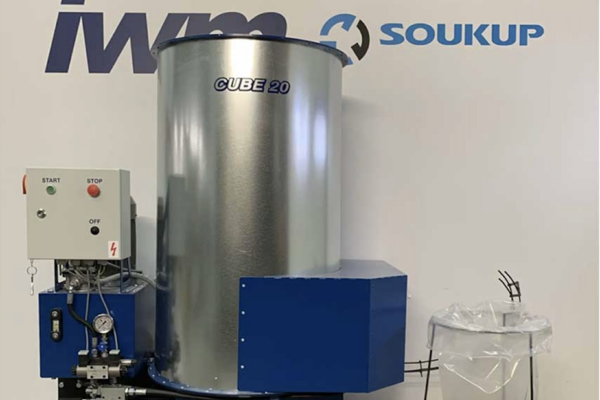
Falach
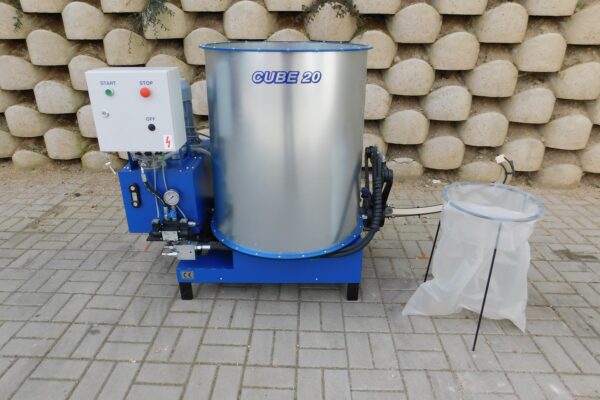
Falach 20 Briquette Machine
- Output 10–25 kg/hr
- Briquette 30 × 30 × 30 mm cube
- Power use 1.1 kW
From £8,480 + VAT
For most joinery workshops, a Falach press in the 10–60 kg per hour range turns planer shavings and dust into briquettes as fast as the shop makes them. Joinery waste is usually from kiln-dried timber, so it is normally dry enough to press without drying.
A joinery shop’s planers, moulders, spindles, saws and CNC routers send a constant flow of shavings and dust to the extractor. It’s dry, because the timber is kiln-dried. It’s light and bulky, so it fills bags and skips fast. And it keeps coming, every working day. Those are exactly the conditions where a briquette press earns its place.
Weigh a full extraction bag, count how many you fill a week, and divide the weekly total by the hours the press will run. Most presses run alongside your machines through the day.
| Weekly waste (example) | Over 40 hours | Models that fit |
|---|---|---|
| 400–800 kg | 10–20 kg/hr | Falach 20, Falach 20XL |
| 1,000–1,400 kg | 25–35 kg/hr | Falach 30, Falach 35 |
| 1,600–2,400 kg | 40–60 kg/hr | Falach 50, Falach 50XL |
| 2,400–3,200 kg | 60–80 kg/hr | Falach 70 |
The weekly figures are examples to show the method. Use your own.
| Model | Output | Power use | Supply | Size (L × W × H) | Price |
|---|---|---|---|---|---|
| Falach 20 | 10–25 kg/hr | 1.1 kW | 3-phase, 16A (single-phase version available) | 1250 × 740 × 1120 mm | From £8,480 + VAT |
| Falach 20XL | 10–25 kg/hr | 1.1 kW | 3-phase, 16A (single-phase option available) | 1250 × 740 × 1450 mm | From £8,980 + VAT |
| Falach 30 | 25–35 kg/hour | 2.2 kW | 3-phase, 16 amp | 1860 × 890 × 1100 mm | From £9,980 + VAT |
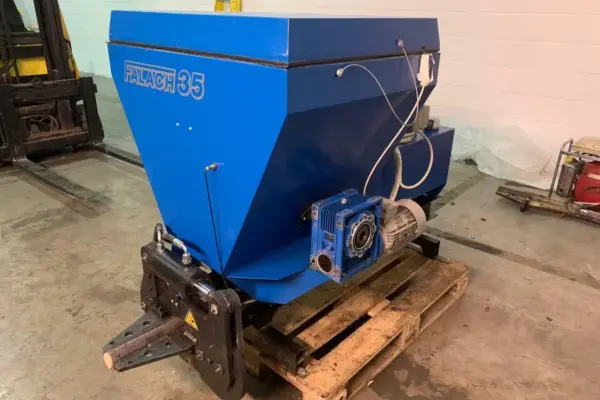
| Falach 35 | 30–40 kg/hour | 2.2 kW | 3-phase, 16A | 1860 × 890 × 1100 mm | From £10,980 + VAT |
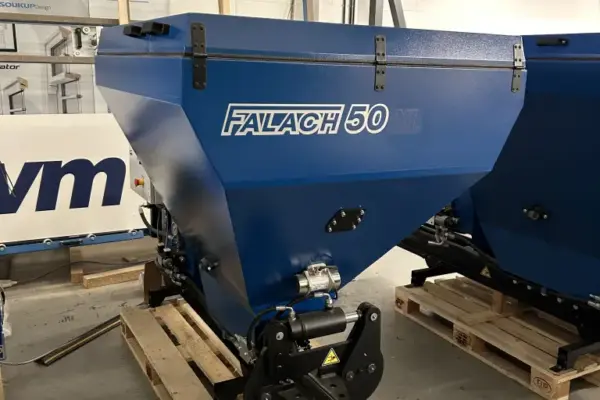
| Falach 50 | 40–60 kg/hour | 3.8 kW | 3-phase, 16A | 1860 × 890 × 1100 mm | From £12,480 + VAT |
| Falach 50XL | 40–60 kg/hour | 3.8 kW | 3-phase, 16A | 1960 × 1150 × 1350 mm | From £13,980 + VAT |
The Falach 20 and Falach 20XL are the place to start. They share a 1250 × 740 mm footprint, use 1.1 kW and come in single-phase versions. The 20XL is taller (1450 mm against 1120 mm) with a 0.75 m³ hopper, so you fill it less often. Both make 30 mm cube briquettes.
Richard Findley of The Turners Workshop bought a briquette machine from us and was kind enough to post a review of it on Instagram, explaining what he had bought and how it helped him.
A shop making windows, doors and staircases with a moulder running most of the day usually needs 30–60 kg per hour. The Falach 35 adds an auto reverse agitator and automatic switch-out to the Falach 30. The Falach 50XL has a 0.80 m³ hopper, an oil cooler and a vibration unit for long, steady runs on a 16A supply.
Many do, for panels, linings and jigs. The Falach 30, 35, 50, 50XL and 100 list MDF among their accepted materials. Burning briquettes made with MDF has its own rules. See MDF and board dust. If most of your waste is solid timber, keeping board dust separate gives you cleaner briquettes.
Many presses can be fed from an extractor, cyclone or silo, so waste flows straight into the hopper. Plan the route, the height of the discharge and where the bags will go. Talk to us before you buy. IWM supplies dust extractors too, through iwmachines.co.uk.
That depends on your waste and what you pay now. Our running costs page shows how to work it out, with the arithmetic for a busy joinery on a Falach 50 using example figures.
Check the rules before you burn them. Briquettes made from treated, painted or board materials (MDF, chipboard, laminate) are still waste wood, and burning them may need an environmental permit or a registered exemption. Check with the Environment Agency (or SEPA in Scotland, Natural Resources Wales or NIEA in Northern Ireland) and your local authority. Selling wood fuel to households has its own certification rules (Ready to Burn or Woodsure), so check before offering any. We are happy to talk it through with you, but we can’t give you a ruling for your site.
Not sure which machine fits? Send us a sample of your waste or come and see a machine running, or ask IWM on 01636 918280.
Picked by rated output and briquette size. Tick Compare to see them side by side.
The Falach 20 or 20XL, rated 10–25 kg/hr, with a 1250 × 740 mm footprint and single-phase versions available.
Yes, with the single-phase versions of the Falach 20 or 20XL. Larger Falach models need 3-phase.
Usually, because it comes from kiln-dried timber. Falach presses list a maximum moisture content of 15%.
Size it to your weekly waste and running hours. A busy moulding shop often needs 30–60 kg per hour, the Falach 35 to 50XL range.
Usually, yes. Many presses are fed directly from an extractor or cyclone. Plan the layout with us first.
See what your own waste makes. Send a sample or watch a machine run in Newark.
No hard sell. A straight conversation about the right size of machine for your waste, or whether you need one at all.
We'll ring you back during working hours. Can't wait? Call 01636 918280.