Falach
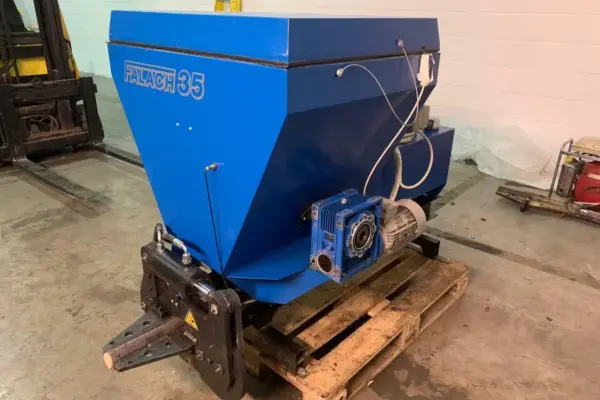
Falach 20XL Briquette Machine
- Output 10–25 kg/hr
- Briquette 30 × 30 × 30 mm
- Power use 1.1 kW
From £8,980 + VAT
Both hardwood and softwood waste make good briquettes as long as they are dry. Per kg, dry hardwood and softwood hold broadly similar energy. The bigger differences are in how the waste packs, how heavy the briquettes are, and how fast a press gets through it.
Neither is better across the board. Dry wood of any species typically holds around 4.5–5 kWh of energy per kg. What differs is the density. A cubic metre of oak weighs more than a cubic metre of pine, so a bag of hardwood briquettes tends to be heavier than the same bag of softwood ones. IWM’s carousel figures note that denser hardwood briquettes typically reach the upper end of a 20–25 kg bag.
| Softwood (pine, spruce, redwood) | Hardwood (oak, ash, beech, sapele) | |
|---|---|---|
| Typical waste | Light, bulky planer shavings | Finer dust and smaller shavings |
| Loose bulk | Very light, fills bags fast | Usually heavier per bag |
| Pressing | Packs well when dry | Packs well, briquettes tend to be heavier |
| Hopper | Bridging more likely, an agitator helps | Finer dust tends to flow more easily |
| Energy per kg (dry) | Broadly similar, typically around 4.5–5 kWh per kg | |
These are general tendencies, not rules. Particle size and moisture matter more than species. A sample trial is the best way to see how your own mix behaves.
Yes, a little. Each press’s output is a range for a reason. The BrikStar EK 20 notes that drier, finer material sits towards the higher end of its range. Heavier, finer waste tends to give more kilos per hour than very light, coarse shavings. When you size a press, use the middle of its range rather than the top.
Most joinery shops cut both, so their waste is a mix. That is normally fine. A blend of fine hardwood dust and softwood shavings often presses well, because the dust fills the gaps. Problems come from very uneven mixes, such as long thin shavings with large chips, or from wet timber mixed in with dry.
Whatever the species, wood fuel sold to households may fall under Ready to Burn or Woodsure rules. Check with your regulator and local authority before offering any.
Some exotic hardwoods produce dust that is an irritant or sensitiser to breathe, so follow HSE guidance on wood dust when handling them. Preservative-treated or painted timber is no longer clean wood, whatever the species. See MDF and board dust.
Check the rules before you burn them. Briquettes made from treated, painted or board materials (MDF, chipboard, laminate) are still waste wood, and burning them may need an environmental permit or a registered exemption. Check with the Environment Agency (or SEPA in Scotland, Natural Resources Wales or NIEA in Northern Ireland) and your local authority. Selling wood fuel to households has its own certification rules (Ready to Burn or Woodsure), so check before offering any. We are happy to talk it through with you, but we can’t give you a ruling for your site.
Not sure which machine fits? Send us a sample of your waste or come and see a machine running, or ask IWM on 01636 918280.
Picked by rated output and briquette size. Tick Compare to see them side by side.
Per kg, dry hardwood and softwood hold broadly similar energy, typically around 4.5–5 kWh per kg. Hardwood briquettes are often denser, so a bag weighs more.
Yes. Mixed waste usually presses well, as long as it is dry.
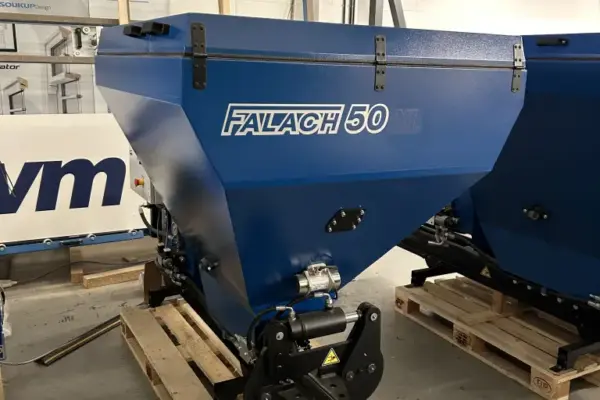
No, but a bigger hopper or an agitator helps with light, bulky shavings. The Falach 20XL, 35 and 50XL are good examples.
Somewhat. Output is a range because material varies. Drier, finer material tends to sit towards the top of the range.
See what your own waste makes. Send a sample or watch a machine run in Newark.
No hard sell. A straight conversation about the right size of machine for your waste, or whether you need one at all.
We'll ring you back during working hours. Can't wait? Call 01636 918280.