Falach
Falach 20XL Briquette Machine
- Output 10–25 kg/hr
- Briquette 30 × 30 × 30 mm
- Power use 1.1 kW
From £8,980 + VAT
Wood shavings press well into briquettes and give the biggest space saving of any wood waste, because loose shavings are so light and bulky. The main thing to plan is the hopper, since a cubic metre of shavings weighs very little.
Yes. Planer, thicknesser and moulder shavings are exactly what most workshop briquette presses are built for. Every Falach press lists shavings among its accepted materials. As with any wood waste, they need to be dry. Shavings from kiln-dried timber usually are.
Loose dry shavings are mostly air. They typically weigh around 60–120 kg per cubic metre, depending on the timber and how fine they are. So a skip or a row of extraction bags fills up fast, and you pay to move a lot of volume and not much weight. A briquette from a Falach 20, 20XL or 100 has a density of 900–1,100 kg/m³. Even allowing for gaps in a bag, the volume typically falls many times over.
Because shavings are so light, a hopper of a given size holds fewer kilos of shavings than of sawdust. Two features help:
If your extractor or cyclone discharges straight into the hopper, the press can keep up with the waste as it is made. If you load by hand from bags, a bigger hopper means fewer trips.
| Model | Output | Hopper | Supply | Price |
|---|---|---|---|---|
| Falach 20 | 10–25 kg/hr | 0.33 m³ | 3-phase, 16A (single-phase version available) | From £8,480 + VAT |
| Falach 20XL | 10–25 kg/hr | 0.75 m³ | 3-phase, 16A (single-phase option available) | From £8,980 + VAT |
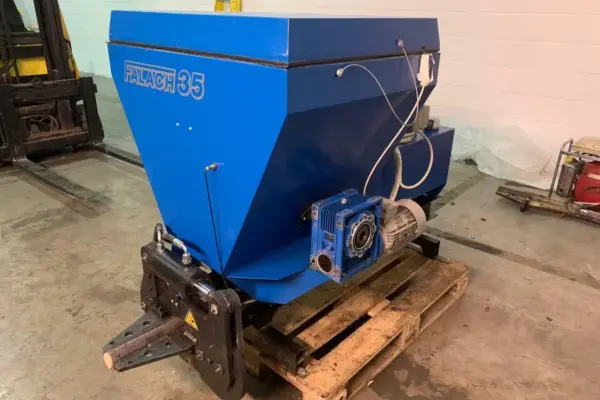
| Falach 35 | 30–40 kg/hour | 0.33 m³ | 3-phase, 16A | From £10,980 + VAT |
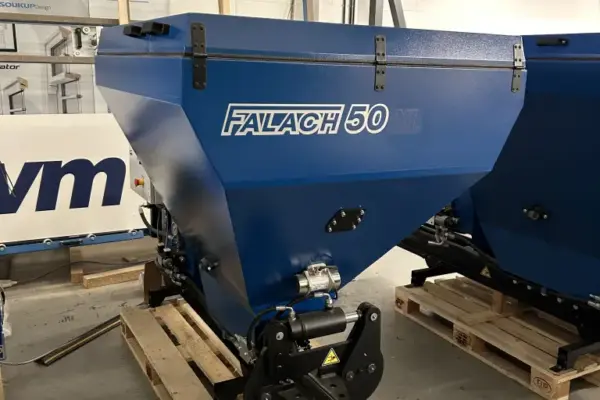
| Falach 50 | 40–60 kg/hour | 0.33 m³ | 3-phase, 16A | From £12,480 + VAT |
| Falach 50XL | 40–60 kg/hour | 0.80 m³ | 3-phase, 16A | From £13,980 + VAT |
| Falach 70 | 60–80 kg/hour | 0.75 m³ | 3-phase, 32 amp | From £19,980 + VAT |
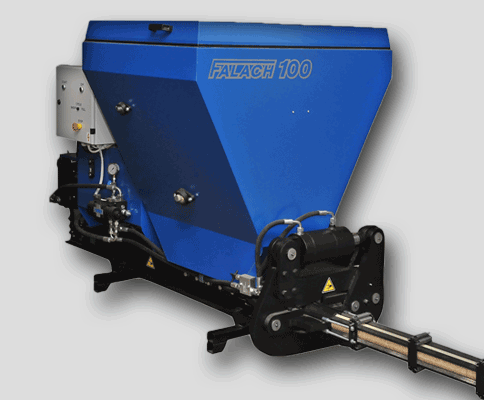
| Falach 100 | 90–120 kg/hour | 0.75 m³ | 3-phase, 32 amp | From £24,980 + VAT |
Clean, dust-free softwood shavings are popular for bedding horses and small animals. If you have a reliable local taker, it can be a good outlet. Bedding buyers usually want clean, dry, untreated shavings and may not want hardwood or fine dust. Read the full comparison in what to do with sawdust.
Both make good briquettes when dry. A mix of shavings and dust often presses well, because the fine dust fills the gaps between the flakes. If you are unsure how your own mix will behave, send us a sample.
Check the rules before you burn them. Briquettes made from treated, painted or board materials (MDF, chipboard, laminate) are still waste wood, and burning them may need an environmental permit or a registered exemption. Check with the Environment Agency (or SEPA in Scotland, Natural Resources Wales or NIEA in Northern Ireland) and your local authority. Selling wood fuel to households has its own certification rules (Ready to Burn or Woodsure), so check before offering any. We are happy to talk it through with you, but we can’t give you a ruling for your site.
Not sure which machine fits? Send us a sample of your waste or come and see a machine running, or ask IWM on 01636 918280.
Picked by rated output and briquette size. Tick Compare to see them side by side.
Typically a lot. Loose dry shavings weigh around 60–120 kg per m³, while a Falach briquette is around 900–1,100 kg/m³. Bagged briquettes have gaps, but the volume still typically falls many times over.
The Falach 50XL at 0.80 m³. The Falach 20XL, 70 and 100 have 0.75 m³.
Light shavings can bridge, forming an arch over the feed. An auto reverse vertical agitator, fitted to the Falach 35, 50, 50XL, 70 and 100, keeps them moving.
Often, yes. Plan the layout first. The BrikStar EK 20 must not be connected to a pressurised extraction system.
See what your own waste makes. Send a sample or watch a machine run in Newark.
No hard sell. A straight conversation about the right size of machine for your waste, or whether you need one at all.
We'll ring you back during working hours. Can't wait? Call 01636 918280.