Falach
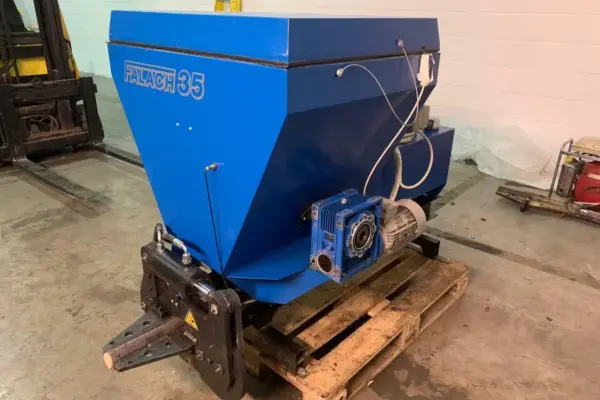
Falach 35 Briquette Machine
- Output 30–40 kg/hour
- Briquette 50 mm diameter
- Power use 2.2 kW
From £10,980 + VAT
Pallet waste can be briquetted, but most of it needs shredding first and the metal taken out. Once shredded to small chips and dry enough, it presses well in a Falach press. Remember that recycled or treated pallet wood may not count as clean virgin wood when you come to burn the briquettes.
Only the dust and fine material goes straight into a briquette press. The rest needs shredding.
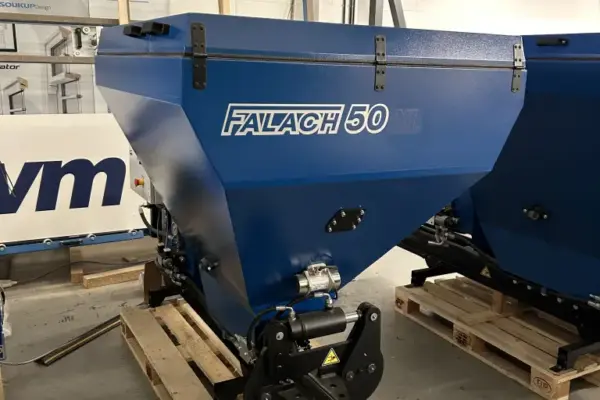
A briquette press packs fine material into a small chamber. Large chips, offcuts and broken boards won’t feed or pack. The Falach 50 lists a maximum chip size of 15 mm. A shredder breaks pallet waste down to a size the press can take. IWM supplies shredders through iwmachines.co.uk, so we can look at shredder and press as one system.
Metal is the biggest risk with pallet waste. It can damage a shredder and wear or damage a press. Plan how to take it out: sort by hand, choose a shredder built for it, and use a magnet after shredding. Ask us about what suits your volume.
Often not reliably. New pallets are frequently made from timber that isn’t kiln-dried, and recycled pallets may have been stored outside. Falach presses list a maximum moisture content of 15%. Check your waste, and store it under cover. See the moisture content guide.
| Model | Output | Power use | Supply | Hopper | Price |
|---|---|---|---|---|---|
| Falach 35 | 30–40 kg/hour | 2.2 kW | 3-phase, 16A | 0.33 m³ | From £10,980 + VAT |
| Falach 50XL | 40–60 kg/hour | 3.8 kW | 3-phase, 16A | 0.80 m³ | From £13,980 + VAT |
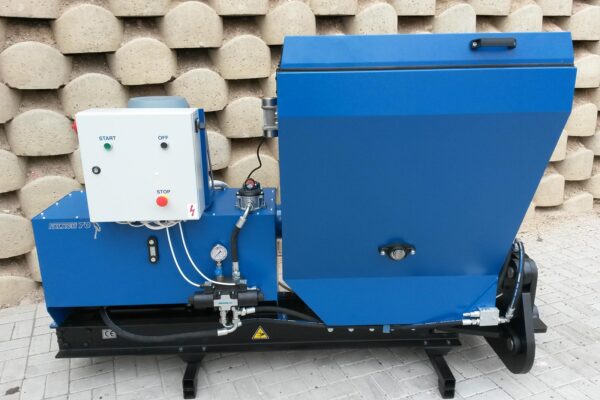
| Falach 70 | 60–80 kg/hour | 4.9 kW | 3-phase, 32 amp | 0.75 m³ | From £19,980 + VAT |
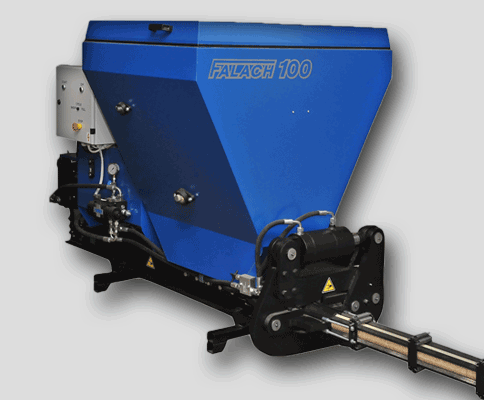
| Falach 100 | 90–120 kg/hour | 8.2 kW | 3-phase, 32 amp | 0.75 m³ | From £24,980 + VAT |
Match the shredder output to the press output, or plan a store between them so neither waits for the other.
This needs care. Pallet wood may be treated, painted, contaminated or of unknown origin, especially in recycling. That may change what you can burn. Heat-treated pallet timber is a different thing from chemically treated timber, but you need to know which you have. Keep clean new-timber waste separate from mixed recycled waste where you can.
Check the rules before you burn them. Briquettes made from treated, painted or board materials (MDF, chipboard, laminate) are still waste wood, and burning them may need an environmental permit or a registered exemption. Check with the Environment Agency (or SEPA in Scotland, Natural Resources Wales or NIEA in Northern Ireland) and your local authority. Selling wood fuel to households has its own certification rules (Ready to Burn or Woodsure), so check before offering any. We are happy to talk it through with you, but we can’t give you a ruling for your site.
If you pay to have offcuts and dust taken away, or your yard is cluttered with loose waste, a shredder and press can turn it into something compact and easier to handle. Work out the electricity side with our running costs calculator, then add the shredder.
Not sure which machine fits? Send us a sample of your waste or come and see a machine running, or ask IWM on 01636 918280.
Picked by rated output and briquette size. Tick Compare to see them side by side.
Yes, once they are shredded to small chips, the metal is removed and the material is dry enough.
They can damage shredders and presses. Remove metal before pressing, for example with sorting and a magnet after shredding.
It depends on whether the wood is clean, treated or contaminated, and on the rules for your site. Check with your environmental regulator and local authority.
For steady volumes, the Falach 50XL (40–60 kg/hour). For a high-volume shredder line, the Falach 70 or 100.
See what your own waste makes. Send a sample or watch a machine run in Newark.
No hard sell. A straight conversation about the right size of machine for your waste, or whether you need one at all.
We'll ring you back during working hours. Can't wait? Call 01636 918280.