Falach
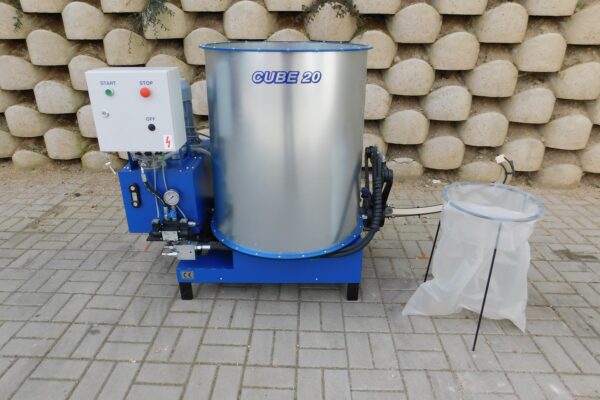
Falach 20 Briquette Machine
- Output 10–25 kg/hr
- Briquette 30 × 30 × 30 mm cube
- Power use 1.1 kW
From £8,480 + VAT
Wood waste needs to be below about 15% moisture to press into solid briquettes. Falach presses list a maximum of 15%, and the BrikStar EK 20 works best below 12%. Waste from kiln-dried timber is usually dry enough. Green sawmill waste usually is not.
A hydraulic briquette press relies on pressure, and the heat that pressure creates, to soften the lignin in wood so it binds. Too much water gets in the way. The briquette comes out soft, splits or crumbles, and the press works harder for a poorer result. IWM’s guidance for the BrikStar EK gives a range of 8% to 15%, so very dry material is worth testing too.
| Machine | Moisture limit (as published) |
|---|---|
| Falach 20 and Falach 20XL | 15% maximum |
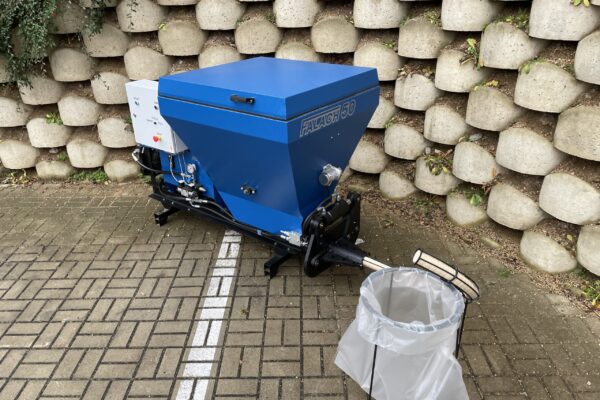
| Falach 50 | 15% maximum |
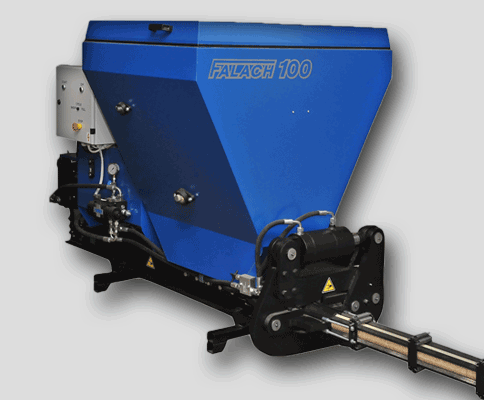
| Falach 100 | 15% maximum |
| BrikStar EK 20 | Up to ~15% by weight, optimal below 12% |
Treat 15% as the ceiling across the Falach range, and aim lower if you can.
| Source | Usually dry enough? |
|---|---|
| Joinery, furniture and shopfitting using kiln-dried timber and board | Usually yes |
| MDF and board dust | Usually yes |
| Timber merchant cutting service (kiln-dried stock) | Usually yes |
| Sawmill cutting green logs | Usually no, needs drying |
| Air-dried or outdoor-stored timber | Check it |
| Pallet wood | Check it, often variable |
| Any waste stored outside or in an open skip | Check it |
Kiln-dried joinery timber is typically dried to somewhere around 8–12% moisture, so its waste usually suits a press. Freshly felled timber is often well above 30%.
Example: a 500 g sample of sawdust weighs 420 g once dried. (500 − 420) ÷ 500 × 100 = 16%. Just over the limit, so it would need some drying.
Yes. Dry briquettes are absorbent. If they get wet they swell and break up. Store them indoors, off the floor and away from damp walls. Bagged briquettes are easier to keep dry.
Wood fuel sold to households in the UK may fall under Ready to Burn or Woodsure rules, which include moisture limits. Check the current requirements before offering any.
Check the rules before you burn them. Briquettes made from treated, painted or board materials (MDF, chipboard, laminate) are still waste wood, and burning them may need an environmental permit or a registered exemption. Check with the Environment Agency (or SEPA in Scotland, Natural Resources Wales or NIEA in Northern Ireland) and your local authority. Selling wood fuel to households has its own certification rules (Ready to Burn or Woodsure), so check before offering any. We are happy to talk it through with you, but we can’t give you a ruling for your site.
Not sure which machine fits? Send us a sample of your waste or come and see a machine running, or ask IWM on 01636 918280.
Picked by rated output and briquette size. Tick Compare to see them side by side.
Below about 15%. Falach presses list 15% as the maximum. The BrikStar EK 20 accepts up to about 15% and works best below 12%.
Moisture is the most common reason. Above about 15% the briquettes don't bind. Very coarse or uneven material can also be a factor.
Not as it comes. Green sawdust is usually well over 15% moisture and needs drying first.
Weigh a sample, dry it in a low oven until the weight stops falling, then reweigh. (Wet − dry) ÷ wet × 100 gives moisture content.
Indoors, dry and off the floor. Wet briquettes swell and break up.
See what your own waste makes. Send a sample or watch a machine run in Newark.
No hard sell. A straight conversation about the right size of machine for your waste, or whether you need one at all.
We'll ring you back during working hours. Can't wait? Call 01636 918280.